
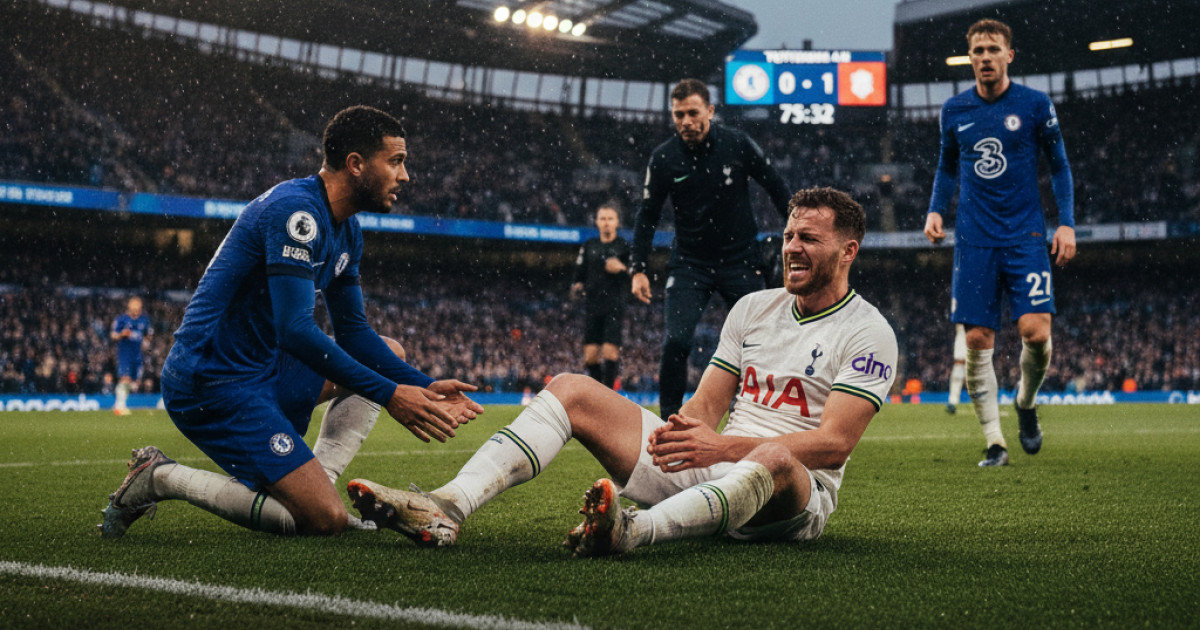
Tottenham Hotspur has been grappling with a wave of injuries that has left fans and pundits questioning the club's medical department. Over the past year, the injury list has grown to alarming proportions, affecting the team's performance and raising concerns about the underlying causes. This in-depth look at Tottenham's injury crisis aims to shed light on the situation, explore potential reasons, and assess the impact on the club's Premier League campaign.
The Scope of the Injury Crisis
Tottenham Hotspur's injury list has been a persistent issue, with key players sidelined for extended periods. The list includes names like Harry Kane, Son Heung-min, and Dejan Kulusevski, who have all missed crucial matches due to various injuries. The sheer number and severity of these injuries have not only disrupted the team's rhythm but also put a strain on the squad's depth and morale.
Key Injuries and Their Impact
- Harry Kane: Kane, the club's talisman, has been out with a hamstring injury, leaving a significant void in the attacking lineup. His absence has been felt in both domestic and European competitions.
- Son Heung-min: Son, another crucial attacking player, has also been sidelined due to a thigh injury. His speed and goal-scoring ability are sorely missed, especially in tight matches.
- Dejan Kulusevski: Kulusevski's creativity and versatility have been hampered by a series of minor injuries, affecting his consistency and impact on the team.
These injuries have forced manager Antonio Conte to shuffle the lineup, often leading to less cohesion and a drop in performance. The team's inability to field its best XI has been a major setback in their pursuit of top-four finishes and European success.
Potential Causes of the Injury Crisis
The reasons behind Tottenham's injury woes are multifaceted and complex. Several factors contribute to the high rate of injuries, and understanding these can help in finding solutions.
Training Ground Conditions
The condition of the training ground can significantly impact players' susceptibility to injuries. Poor surface quality can lead to increased stress on players' bodies, making them more prone to sprains, strains, and other injuries. Tottenham's training facilities have been under scrutiny, with some suggesting that improvements are needed to reduce the risk of injuries.
Medical and Physiotherapy Practices
The effectiveness of the medical and physiotherapy staff plays a crucial role in injury prevention and recovery. Questions have been raised about the club's approach to player care, including the use of cutting-edge technology and personalized training programs. Ensuring that players receive the best possible care can help in reducing the frequency and severity of injuries.
Player Fatigue
With a busy schedule of Premier League matches, European competitions, and international duties, player fatigue is a significant concern. Overuse and lack of adequate rest can lead to a higher risk of injuries. Managing player workload and ensuring proper recovery time are essential in maintaining the team's fitness levels.
Tactical Demands
The tactical demands placed on players by the manager can also contribute to the injury crisis. High-intensity, pressing styles of play can be physically demanding and increase the risk of injuries. Balancing tactical intensity with player welfare is a delicate task that requires careful planning and execution.
The Impact on Tottenham's Season
The injury crisis has had a profound impact on Tottenham's performance this season. The team's inability to field its strongest lineup has led to inconsistent results and a drop in form. This has affected their standing in the Premier League and their chances of securing a top-four finish, which is crucial for Champions League qualification.
Moreover, the injuries have disrupted the team's chemistry and cohesion. Players who are not accustomed to starting regularly have been thrust into key roles, leading to a lack of synergy and understanding on the pitch. This has been particularly evident in crucial matches where the team has struggled to maintain their usual high standards.
European Competitions
Tottenham's European campaigns have also been affected by the injury crisis. In the UEFA Champions League and Europa League, the team has often been missing key players, which has weakened their chances of progressing in these competitions. The lack of depth in the squad has been exposed, and the club has struggled to compete at the highest level.
Addressing the Crisis
Addressing the injury crisis is a multifaceted challenge that requires a comprehensive approach. Tottenham must take several steps to mitigate the impact of injuries and improve player fitness and availability.
Investing in Medical and Training Facilities
Improving the quality of training facilities and medical resources is a crucial step. Investing in state-of-the-art equipment and technology can help in early detection and prevention of injuries. Additionally, ensuring that the training ground surfaces are of the highest standard can reduce the risk of injuries.
Enhancing Player Care and Recovery Programs
Implementing personalized care and recovery programs for players can significantly improve their fitness and reduce the likelihood of injuries. This includes tailored training regimens, nutrition plans, and mental health support. Ensuring that players have access to the best possible care is essential in maintaining their well-being.
Managing Player Workload
Effectively managing player workload is another critical aspect. This involves rotating the squad to ensure that players are not overused and have adequate rest and recovery time. Balancing the demands of domestic and international competitions is a complex task, but it is essential in maintaining player fitness.
Tactical Adjustments
Adapting the team's tactical approach to account for player availability and fitness levels can also help in mitigating the impact of injuries. Managers must be flexible and willing to make tactical adjustments to ensure that the team remains competitive even when key players are absent.
Conclusion
Tottenham Hotspur's injury crisis is a significant challenge that has affected the team's performance and prospects this season. While the reasons behind the high rate of injuries are complex, addressing the issue requires a multifaceted approach. By investing in medical and training facilities, enhancing player care and recovery programs, managing player workload, and making tactical adjustments, Tottenham can work towards reducing the impact of injuries and improving their chances of success in the Premier League and European competitions.