
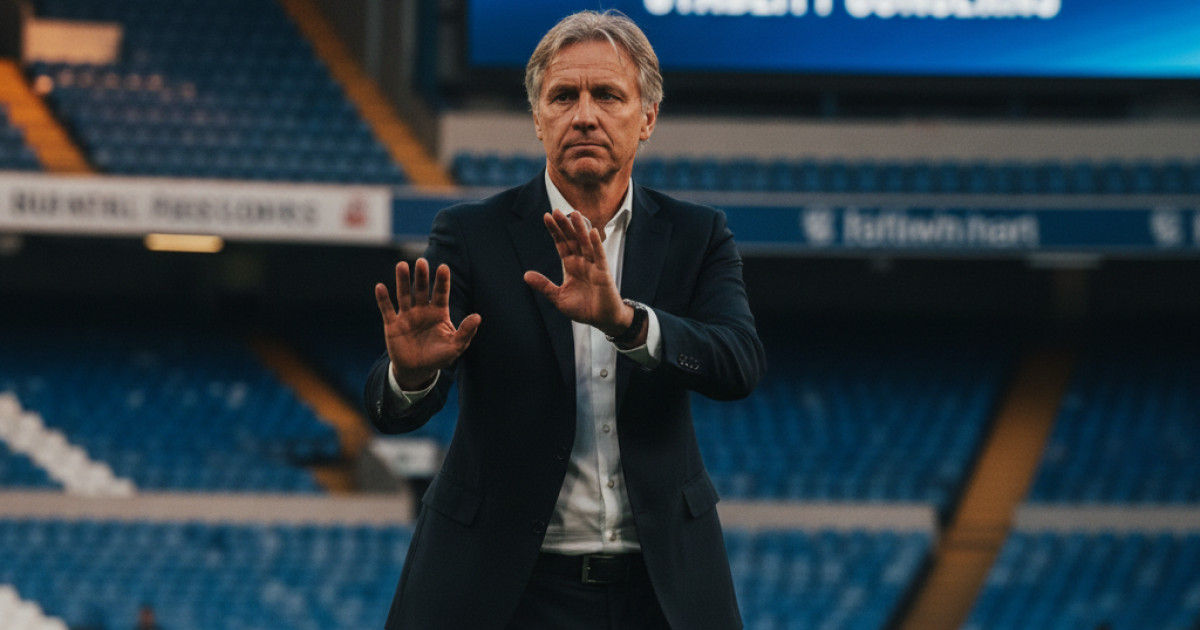
Former Manchester United boss Ralf Rangnick has declined the opportunity to become Chelsea's next manager, expressing significant concerns over the club's long-term stability and direction. The German tactician, known for his innovative approach to football, made the decision after a thorough evaluation of the situation at Stamford Bridge.
Background on Chelsea's Managerial Search
Chelsea finds itself in a precarious position following the dismissal of interim manager Liam Rosenior. The club has been on a turbulent path since the departure of Thomas Tuchel, and the search for a permanent successor has been a high-stakes endeavor. Rangnick, who has previously managed clubs such as Leipzig and RB Salzburg, was among the top candidates considered by the Chelsea board.
Rangnick's Decision
In a candid conversation with Chelsea officials, Rangnick outlined his reservations about the club's current trajectory. "I told Chelsea that I would become their manager, but I knew I'd be a lame duck straight away," Rangnick stated. "The club's ownership and management structure are in a state of flux, and there is a lack of clarity regarding the long-term vision."
Concerns Over Ownership and Vision
One of the primary concerns for Rangnick was the club's ownership. The recent change in ownership, with Todd Boehly and Clearlake Capital taking over from Roman Abramovich, has brought a new dynamic to the club. Rangnick felt that the new owners needed more time to establish a clear and consistent vision for the future, which is crucial for a manager's success.
"I have been in situations where the club's direction was uncertain, and it can be incredibly challenging for a manager to implement long-term strategies," Rangnick explained. "Without a stable and supportive environment, it's difficult to achieve the kind of success that Chelsea fans and the club itself expect."
Technical and Tactical Considerations
Beyond the ownership issues, Rangnick also had technical and tactical concerns. Chelsea's squad, while talented, has shown inconsistencies over the past season. Rangnick, known for his high-pressing and attacking style of play, was unsure if the current squad aligned with his preferred tactics. "I need players who can execute my vision, and I wasn't convinced that the current squad had the necessary attributes," he said.
Chelsea's Next Steps
With Rangnick's decision to decline the offer, Chelsea must now pivot to other potential candidates. The club's hierarchy is under pressure to find a manager who can restore stability and success to one of the most prestigious clubs in English football. Some names that have been linked with the position include Mauricio Pochettino, Julian Nagelsmann, and Graham Potter.
Potential Candidates
- Mauricio Pochettino: The former Tottenham and Paris Saint-Germain manager is known for his ability to develop young talent and instill a strong team ethos. His experience in the Premier League and European competitions makes him a strong contender.
- Julian Nagelsmann: The young German tactician has already made a name for himself with his innovative strategies at Leipzig and Bayern Munich. His age and modern approach could appeal to Chelsea's desire for a forward-thinking manager.
- Graham Potter: The current Brighton manager has impressed with his tactical acumen and ability to get the best out of his players. His success with a smaller club could make him an attractive option for Chelsea.
Impact on Chelsea's Future
The decision to turn down the Chelsea job reflects Rangnick's commitment to his principles and his belief in the importance of a stable and supportive environment. For Chelsea, this setback underscores the challenges they face in their managerial search. The club must now focus on finding a leader who can not only achieve immediate success but also lay the groundwork for sustained excellence.
As Chelsea continues its search, the club will need to address the concerns raised by Rangnick and other potential candidates. Clear communication of the club's vision, a commitment to long-term stability, and a supportive infrastructure will be crucial in attracting the right manager to lead Chelsea back to the top of English and European football.